Key Topic 5: Items of Value - External Stakeholder Educational Items
External stakeholder educational items must not have an independent value to the external stakeholders outside of their medical or healthcare responsibilities.
Examples of acceptable external stakeholder educational items include:
- Medical textbooks
- Copies of relevant scientific journals
- Copies of appropriate (for example, peer reviewed) guidelines consistent with approved AZ products or uses
- Electronic versions or mobile applications of the items listed above, including USB ports or memory sticks loaded with educational materials
Examples of unacceptable items include:
- DVD or CD players, e-readers, laser pointers, iPads or iPods (or other mobile media devices)
- Items to improve business efficiencies of an HCP or an HCP practice, such as software for billing or tax returns
- Items to support administrative processes of an HCP or an HCP practice, such as clipboards, pens, note pads, mugs or calendars, even if accompanied by educational materials
In addition Astra Zeneca does not support the provision of medical equipment, such as equipment for use in patient diagnosis or treatment, including, but not limited to, stethoscopes, reflex hammers, spirometers or thermometers.
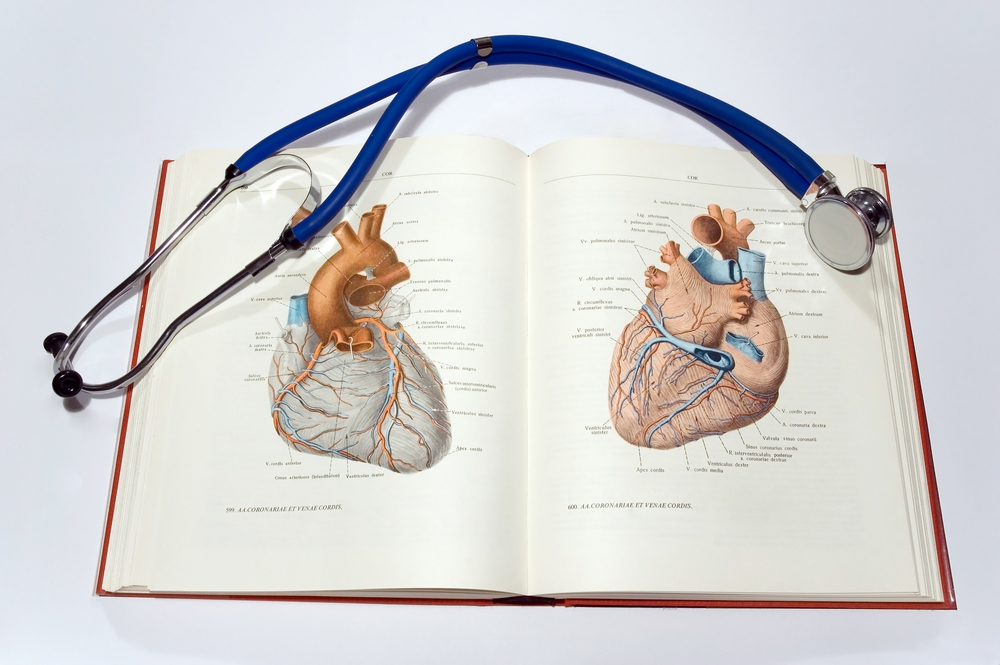
Consider the following example
Provision of Textbooks
In the UK GSK sent a letter to general practitioners offering a free copy of the textbook the ‘Oxford Handbook of General Practice’ and included a reply paid slip/envelope. (This textbook was priced at around £30 in the UK in 2016). The letter stated ‘If you would like a copy delivered to you, please complete and return the slip below in the freepost envelope (no stamp required)’. It also stated that there was no obligation to grant the representative an interview at the time of delivery.
The process whereby the letter in question was sent to a practice and the subsequent delivery of the textbook was as follows:
- the local GSK sales representative chose which GPs would receive the letter offering the textbook;
- the sales representative generated a mailing from a third party mailing house which sent the letter to the GP’s surgery address. The letter contained only a GSK logo and no brand logos. It asked the GP to respond if interested; it clearly stated that there was no obligation to see a representative; it asked the GP the best time for the representative to call should a call be desired
- if the GP wanted a textbook, the sales representative was notified and ordered it
- the sales representative then delivered the book to the practice
GSK submitted that the Oxford Handbook of General Practice was clearly of great interest to general practitioners; it did not refer to GSK or its medicines. GSK believed it was a high value educational text with no promotional content. It was delivered to the practice exactly in the state it left the printers, with no additional labels, stickers or accompanying letters.

Which of the following statement do you agree with:
- The process as outlined is not acceptable the involvement of the sales representative in the process is not acceptable as the representative has a promotional role and the provision of the textbook is therefore linked to promotion
- This book would be too expensive to be considered of ‘modest value’
- As there was no promotional content it is acceptable for the letter to come from the sales representative
- This links the provision of an educational item to promotion this is because of the involvement of the sales representative in deciding who would be offered the item
Ruling
The UK Authority noted that sales representatives were inextricably linked to the provision and distribution of the textbooks. The representatives chose which doctors would be offered the books, signed the letters offering the books and then offered to deliver the books. The principal role of a sales representative was to call on doctors in relation to the promotion of medicines. Therefore this could not be considered as acceptable provision of educational goods as they should not be linked to promotion.