Key Topic 5: Digital Material - Social media
Social media definition:
A tool, service, or category of tools and services, that use the internet to provide an online community for the primary purpose of facilitating social interaction in an online environment. Common forms of social media include social networking sites (e.g. FaceBook, LinkedIn, Renren), collaborative services (e.g Wickipedia, Google Docs, Digg), blogging platforms (e.g WordPress, Blogger, Twitter), content communities (e.g YouTube, Flickr, Instagram), virtual game worlds (e.g Second Life) and virtual communities (e.g Doctors.net.uk).
The most important point to remember when considering using social media channels for communication, is that they are fully accessible to the general public. The need to protect the public from promotional content must be carefully considered.
Also it should be noted that company employees posting on social media may be considered to be representing the company (even if they are expressing personal views) and therefore such posts can be found to breach regulations.
Digital media are evolving and it is likely that case law will also evolve. It is important to keep up to date and to heed any regulatory guidance. For example the FDA have made it clear that the use of the ‘like’ button in Facebook will constitute endorsement of that content by a company. In February 2012, FDA sent a warning letter to supplement marketer AMARC Enterprises after FDA investigators found that the company had "liked" claims made by customers that AMARC's products had cured their cancer.

"Like" button in Facebook
The like button allows users to express their approval or recognition of a story, in the form of a ‘thumbs up’ icon
Here are some other examples of how companies have been found in breach of regulations with respect to social media:
Example 1
Bayer placed two tweets on Twitter which were taken from the headlines of approved press releases, announcing the launch of two products. The first tweet did not cite the product’s name but referred to its qualities, indication and launch. The second mentioned the brand name, indication and launch.
The tweets were the subject of an article in ‘InPharm’ which criticised this activity and noted that over 500 of Bayer’s Twitter followers were members of the public.
The tweets were therefore investigated by the UK Code Authority. In its defence Bayer stated that its followers had a special interest in Bayer’s businesses: they were journalists, agencies, consultants and other service providers, students, competitors and other Bayer contacts. However the tweets had not been approved by a company signatory and Bayer acknowledged that they constituted promotion to the public.
A breach was ruled, and Bayer were also found to have brought the industry into disrepute.
Example 2
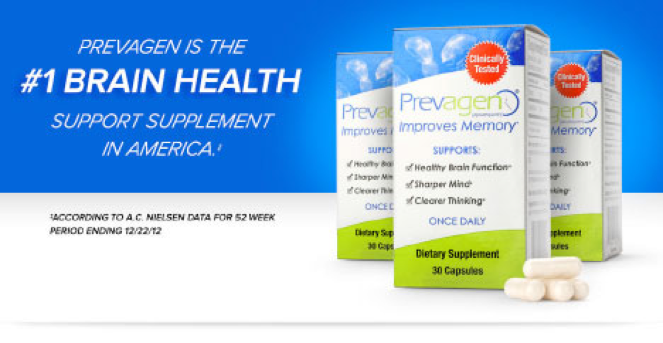
Take a look at the following statement which was placed on Facebook by US company Quincey Bioscience. It related to the product that the company claimed was a dietary supplement.
“Prevagen will restore for you the lost protein so that you can gain your dignity back…. Alzheimer’s disease is a heartache on any family. Dementia is tough -to be around people that have dementia, let alone have it yourself. Prevagen gives you back your dignity and gives you back the proteins that are so precious that we use. No side effects whatsoever, doesn’t matter what drugs you’re on, this is a safe natural supplement”
Given that direct to consumer advertising is allowable in the USA, do you think this is approvable?
The FDA took issue with this facebook content – they determined that the therapeutic claims made for it established that it should be classed as a drug and not just a dietary supplement. Therefore these claims could not be made. You would no doubt agree that even if correctly classed as a medicinal product, claims such as ‘no side effects whatsoever’ and ‘this is a safe natural supplement’ can never be acceptable. A warning letter was issued.
Example 3

An Allergan employee sent a tweet to a patient organisation - The tweet referred to Allergan’s product Botox and stated:
‘... we could do something around stroke rehab ...’
Botox was indicated for spasticity associated with stroke in adults.
The tweet was sent in error by an individual using a personal account and without the knowledge or authority of Allergan.
Which of the following do you agree with?
- As Allergan did not know about this tweet and it did not come from their account, they are not responsible companies can be held responsible for the actions of their employees, and social media are good examples of when this may occur
- This is promotion to the public tweets are accessible to the general public and this was considered to be an Allergan tweet about its product Botox
- As this was sent to a patient organisation and not the wider public it is acceptable all tweets should be considered as public