Key Topic 2 - Subtopic 2: Subsistence
Local rules on subsistence will vary considerably across countries – but they will apply to all aspects of the meeting, as these examples will show:
Example 1
In Australia the Monitoring Committee asked MSD to provide justification for the cost of a dinner held in Munich in association with the European Society of Cardiology Conference (ESC) in 2009. The dinner was for 18 delegates. They were taken to the venue by coach along with a hostess. The cost of the dinner was $205 per head.
Do you think this cost is excessive (considering this was in 2009)?
While the standard menu and standard costs supplied by MSD were not extravagant, the majority of Committee members were of the view that a cost of AUD $205 per head was excessive and would not withstand public scrutiny. Some members also questioned the cost for the provision of a hostess on the coach to take 18 delegates from their hotel to the restaurant.
MSD were found in breach and had to pay a fine of $20,000

Example 2

A pulmonologist working in Germany complained to the UK authority about a scientific symposium organised by Boehringer Ingelheim at the European Respiratory Society (ERS) Congress held in Munich.
The symposium was part of the industry sponsored sessions. It was advertised in the official meeting programme as
‘Slowing disease progression in IPF [idiopathic pulmonary fibrosis]: New evidence From Phase III clinical trials’
The complainant stated that on the main stage, the speakers were allowed to drink beer – with one even dressed in lederhosen.
For a serious, fatal condition, this was not appropriate. Two of the speakers were from the UK.
Do you think this is appropriate?
The Panel considered that the overall impression given was unacceptable.
The subsistence in this regard was inappropriate.
The Panel considered that high standards had not been maintained. A breach was ruled.
Consider the following examples related to travel and accommodation
Example 1
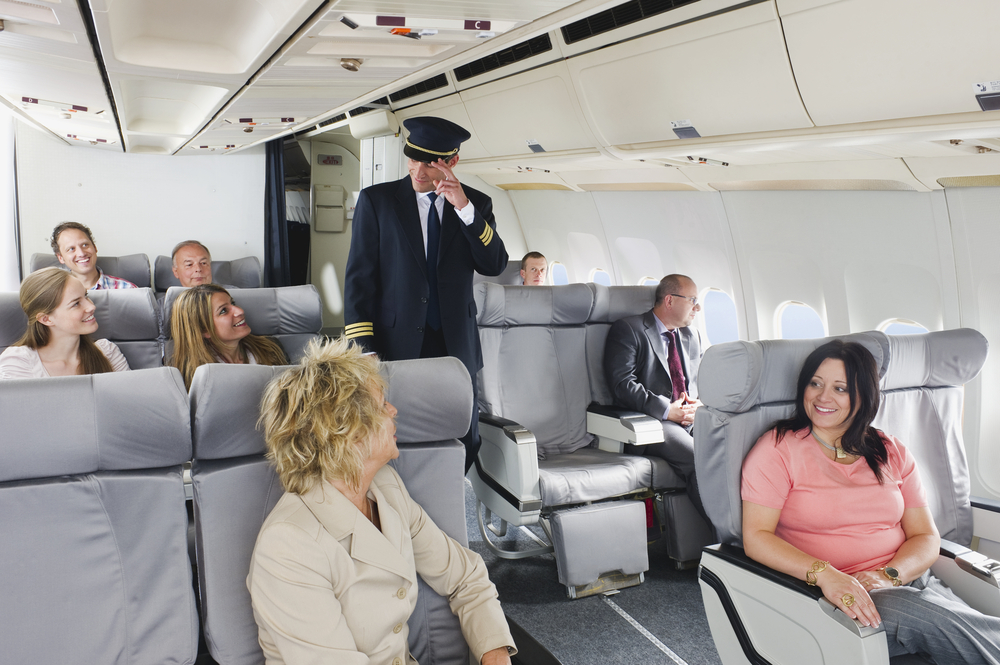
In the UK Napp Pharmaceuticals mistakenly provided business class air travel to delegates attending a congress in Montreal. This was due to some confusion between the company’s congress and legal departments with respect to their standard operating procedure for travel and sponsored delegates. At the time provision of business class travel to such delegates was not allowed under the UK Code. The mistake was only noticed three days before departure, by which time there were no economy seats left.
The Panel stated that it was of concern that the relevant SOPs were not clear on this matter. The Panel considered that the incident was wholly unacceptable and brought discredit upon or reduced confidence in the pharmaceutical industry.
Example 2
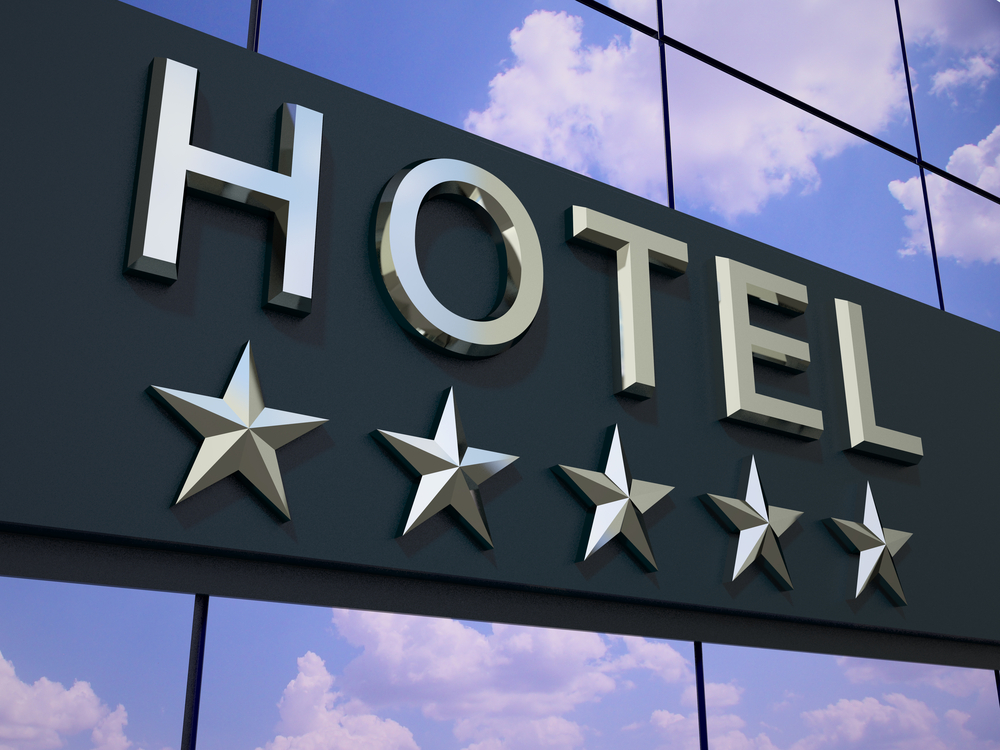
IBayer Schering Pharma complained that, at an international meeting held in Prague in October 2007, Merck Serono had accommodated its UK sponsored delegates at a 5 star hotel in the city centre.
The hotel was a member of the internationally recognized luxury hotel brand ‘Leading Hotels of the World’ (LHW). The opening page of the hotel website described staying there as
‘a unique experience of classical elegance and sparkling luxury’ and ‘one of the most luxurious hotels and its clients expect individual top quality service and fulfillment of each single wish’.
The hotel had not been named in the invitation. Merck Serono said they had chosen it because it was convenient for the meeting venue and accommodation in the City at the time was limited.
Would you approve this accommodation for delegates that you were sponsoring to attend a congress?
The Panel ruled that accommodation had been provided at an hotel which was a member of the LHW group and more often than not rated five star and consistently described in terms of the luxury it provided, not only on its own website but also on others. Even allowing for differences in the star rating system, the impression was thus that Merck Serono’s guests were being accommodated in a luxury hotel. The final breakdown of costs showed that one night’s bed and breakfast accommodation cost £238 per person.
The Panel noted that almost half of Merck Serono’s sponsored delegates were nurses. In the Panel’s view the cost of accommodation was more than most people might be expected to pay if they were paying for themselves; it was higher than nurses would normally pay. On balance, the Panel considered that excessive hospitality had been provided and a breach of the Code was ruled.