Key Topic 1 - Subtopic 1: Discussion at a congress of a learned society
It is generally expected at congresses for learned societies that ‘cutting edge’ science will be discussed during the sessions and symposia. This may include research developments in terms of pipeline products for pharmaceutical companies. Appropriately qualified AZ medical and scientific staff may sometimes present data at such meetings.
Of course the information must be accurate, balanced and up to date. In addition these meetings should not involve sales personnel as that can lead to them being perceived as promotional, although AstraZeneca policy allows for sales personnel to ‘observe’ purely for their own education, when local regulations allow and where certain conditions are met, but they must not enter into any discussion. See AstraZeneca Standard “Meetings” but in most cases the content of such symposia would be too early before a marketing authorisation to be relevant to sales training.
You should also note that when symposia that are not part of the formal proceedings of a learned society congress are sponsored, they should be treated as company ‘stand alone’ meetings and should not be used for scientific exchange.

Consider this example
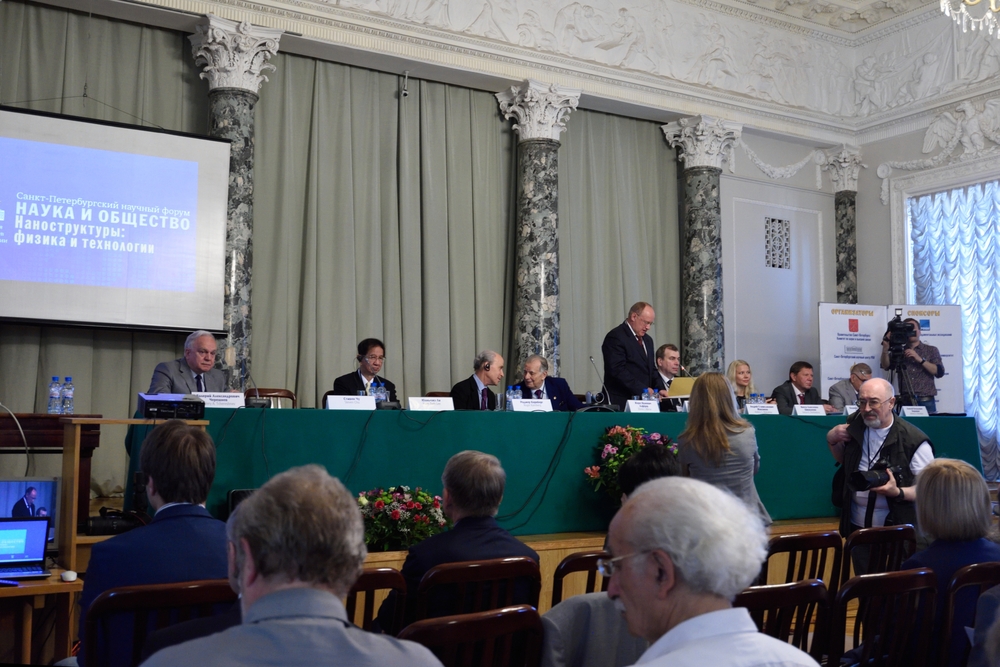
In the UK a complaint was made by Novo Nordisk about a symposium jointly sponsored by Bristol-Myers Squibb and AstraZeneca, at the Primary Care Diabetes Society (PCDS) conference entitled ‘The Kidney in Type 2 Diabetes: Victim or Target?’ Novo Nordisk said that the symposium promoted dapagliflozin (an SGLT-2 [sodium–glucose transporter-2] inhibitor) before the granting of a marketing authorization.
In particular, they alleged that the attendance at the symposium of sales representatives from Bristol-Myers Squibb implied that the event was promotional.
Ruling
On investigation the Panel considered that there was no evidence to show that the sponsors’ sales representatives attended the meeting; conversely the briefing material clearly showed that they were instructed not to attend. The Panel ruled no breach of the UK Code